Germany cuts growth forecast as recovery slower than hoped / Photo: Ina FASSBENDER - AFP
The German government on Wednesday lowered its 2026 growth forecast to one percent, conceding that efforts to kickstart Europe's beleaguered top economy with vast public spending were moving slower than hoped.
Announcing the downgrade from its previous estimate of a 1.3 percent expansion made in October, the economy ministry insisted it was pushing ahead with structural reforms to help support long-term growth.
Conservative Chancellor Friedrich Merz has launched a spending blitz on defence and infrastructure to revive the economy, which returned to weak growth in 2025 after two years of recession, but criticism has mounted that the campaign has got off to a slow start.
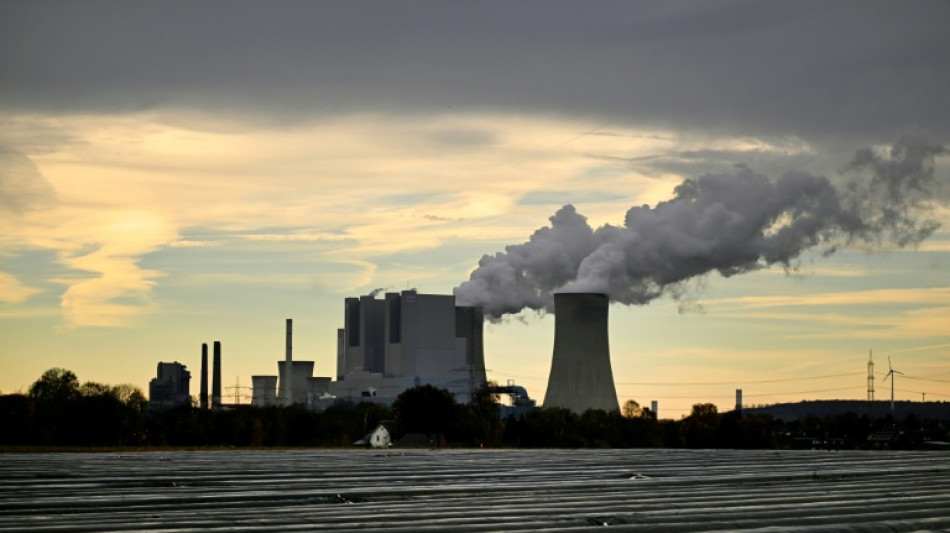
The downgrade will be a blow to hopes of a stronger turnaround for the export power, which has been hammered by a manufacturing slump, high energy costs, weak demand in key markets like China and the US tariff barrage.
"The expected stimulus from economic and fiscal policy measures did not materialise quite as quickly or to the extent that we had assumed," Economy Minister Katherina Reiche told a Berlin press conference.
The government also downgraded its growth forecast for 2027 to 1.3 percent from a previous estimate of 1.4 percent.
Reiche, from Merz's centre-right CDU party, noted however that recent data suggested "we are now seeing a significant recovery".
Merz, who took power last year, eased Germany's strict debt rules to pave the way for vast outlays on the long-neglected armed forces to face a hostile Russia and as worries grow about US security commitments to NATO allies in Europe.
Germany's government is also ramping up spending on fixing roads and bridges as well as improving digital infrastructure, areas that critics say have faced years of underinvestment.
- Reform drive -
Recent data indicate a recovery is taking hold -- factory output as well as orders have jumped far more strongly that anticipated, particularly due to increased demand for defence equipment.
But economists have sounded the alarm that some of the extra spending is being directed towards plugging holes in the budget for welfare spending and other short-term outlays, rather than towards long-term investments.
There have also been concerns about a lack of commitment to driving through much-needed but painful reforms that would help boost the economy in the long term.
The economy ministry said about two-thirds of a percentage point of GDP growth in 2026 would come from the government's fiscal stimulus.
It also emphasised it was pushing reforms that go beyond the spending blitz.
These include improving the labour market, lowering energy costs, creating better conditions for innovative start-ups and deepening ties with new export markets.
"We are pushing ahead with further structural reforms to modernise our country and increase our competitiveness," said Finance Minister Lars Klingbeil.
"For me, it is about reforms that make our country faster and more efficient, unlock potential and remove bureaucratic hurdles."
L.Lefebvre--JdCdC