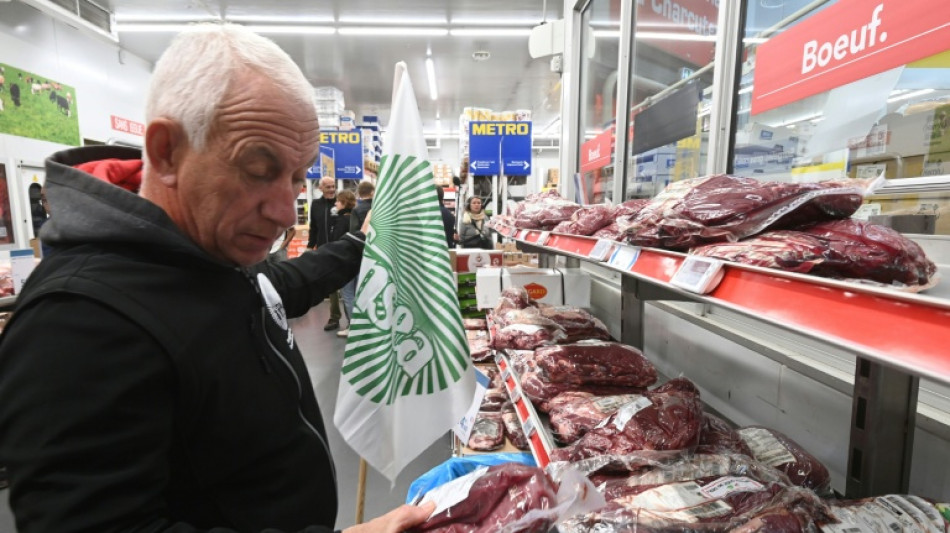
Eat less meat, France urges, for sake of health, climate / Photo: JEAN-FRANCOIS MONIER - AFP
The French government issued a long-awaited report Wednesday urging people to limit meat consumption for their health and also to fight climate change -- and not everyone in the country of "steak-frites" is thrilled.
The contentious decision came as part of a "National Strategy for Food, Nutrition and Climate," setting out the government's aims until 2030 on balancing a healthy diet while reducing greenhouse gas emissions.
It was supposed to be published in 2023, the culmination of a direct-democracy initiative that immediately raised the hackles of agriculture lobbies that accused the government of threatening their livelihoods.
The decisions struck a nerve in a country renowned for dishes like steak and fries and beef bourguignon -- despite evidence that meat production generates significant greenhouse gases that contribute to climate change.
It also comes a month after the US government under President Donald Trump upended decades of recommendations by touting consumption of red meat and full-fat dairy products.
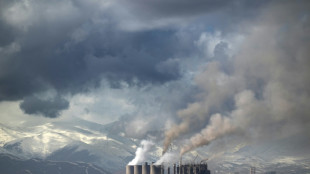
Apart from the health concerns of such advice, food production overall produces one-fourth of French carbon emissions, with meat production representing two-thirds of that amount.
Hence the French government's hesitation on whether to ask people to "reduce" their meat eating, or just "limit" it.
In the end, while promoting a diet focused on fruits, vegetables and whole grains, the new guidelines call for "limited" consumption of meats overall, including cold cuts, and a "reduction" of imported meat.
"We're relieved this plan was published, we were really worried it would be dropped," said Stephanie Pierre of France Assos Sante, a patients' health association.
"But we were hoping for a much more ambitious plan," she said.
The guidelines also come just before the February 21 opening of France's annual agriculture fair, a hugely popular event in Paris where President Emmanuel Macron has often faced farmers' ire.
Farmers were already up in arms over the EU's signing of a free-trade deal with the Mercosur bloc of four South American countries, worried that a surge in beef and other agriculture imports would undercut their competitiveness.
The country's powerful FNSEA farmers' union had yet to comment on the government's new guidelines.
S.Schmitt--JdCdC