Honda Recalls 635,000 Vehicles Over Software-Induced Power Steering Failure
Honda is initiating a recall of more than 635,000 vehicles across its Honda and Acura brands in the United States to address a persistent software defect capable of causing sudden power steering failure. The National Highway Traffic Safety Administration confirmed the safety campaign covers specific model years of the Acura TLX, Acura MDX, and Honda Pilot, following years of investigation into the code error.
Honda is recalling more than 635,000 vehicles in the United States to correct a software defect that can cause the sudden loss of power steering assist. The National Highway Traffic Safety Administration (NHTSA) announced the safety campaign, which targets specific model years of Acura and Honda SUVs and sedans.
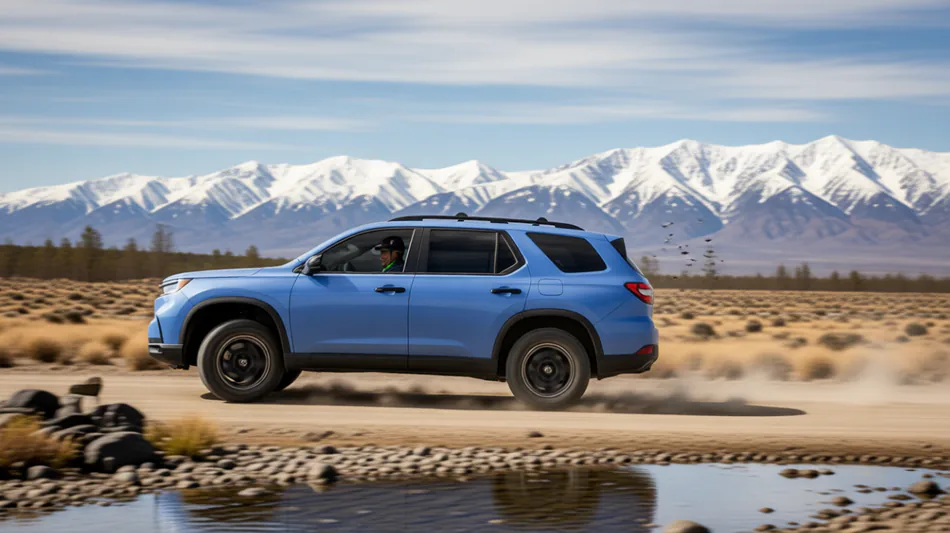
The recall encompasses 75,598 Acura TLX sedans from model years 2021 through 2025. It also includes 177,100 Acura MDX sport utility vehicles produced between 2022 and 2024, as well as approximately 383,110 Honda Pilot SUVs manufactured from 2023 to 2025.
The defect stems from a flaw in the code governing the Driver Attention Monitor system. This feature is designed to detect signs of driver fatigue by analyzing steering inputs. To distinguish between a tired driver making repetitive corrections and normal driving on a crowned road, the system uses a road-condition compensation calculation.
According to the NHTSA, this calculation contained an error that could result in division by zero. When the software encountered this logical impossibility, it was programmed to shut off the main electronic power steering (EPS) assist. The failure occurs specifically when the vehicle is being driven in a straight line.
When the fault triggers, drivers will see an EPS warning light illuminate on the dashboard and experience a sudden increase in steering effort. Honda stated that it has received 146 warranty claims related to the issue, including one report of injury.
The automaker and its parts supplier, Robert Bosch Automotive Steering LLC of Florence, Kentucky, spent years identifying the root cause. The investigation was complicated because defective units often appeared "clean" when returned for analysis. Dealers typically cleared error codes during routine engine diagnostics, erasing the data needed to pinpoint the software bug.
Honda first received reports of the issue in November 2021. The company has now identified the specific code lines responsible and developed a remedy.
The fix requires a re-flash of the vehicle's software rather than the physical replacement of any components. Dealers will perform the update at no cost to owners.
Transport Canada has not yet issued a public recall for this issue, leaving the number of affected vehicles in Canada unclear.
J.Petit--JdCdC