CIIE Reveals Demanding New Era for Global Brands in China
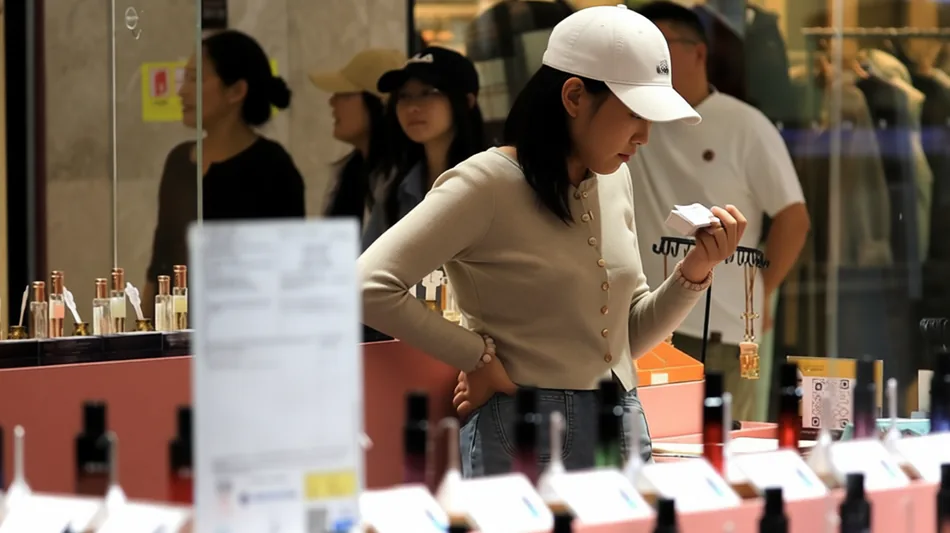
Global brands at the ninth China International Import Expo are confronting a more demanding Chinese consumer market. Shoppers, now ingredient-savvy and digitally connected, expect tailored products and immersive shopping experiences, forcing foreign companies to prove their understanding of local preferences to remain competitive.
The ninth China International Import Expo (CIIE) in Shanghai has evolved from a showcase of market openness into a rigorous testing ground for global commerce. As the event marks its ninth year, it highlights a critical shift: foreign brands must now demonstrate a deep understanding of Chinese consumers to secure orders and maintain relevance in one of the world’s largest markets.
The pressure stems directly from Chinese shoppers who have become increasingly sophisticated about product ingredients, digitally connected, and highly selective with their spending. These consumers no longer accept generic offerings; they demand products tailored to specific needs and shopping experiences that provide value beyond simple convenience.
Procter & Gamble (P&G), the American consumer-goods giant, illustrates both the opportunity and the intensity of this environment. The company introduced nearly 100 innovations across more than 20 brands at the expo, including its best-selling household names Always and Pampers. However, familiarity does not guarantee growth. P&G is actively working to reinvigorate its mass-market skincare business amid intensifying competition.
At the expo, P&G showcased an upgraded sixth-generation OLAY Red Jar cream and a premium body-care range. The company also highlighted Native, its North American personal care brand, which emphasizes simpler formulations and clean ingredients. These launches target consumers who scrutinize formulations, compare active compounds, and expect demonstrable benefits.
To accelerate innovation, P&G is leveraging technology to understand demand faster. Its AI-driven MUSE platform connects consumer insights directly to brand decisions, while its Connected Home Research initiative extends product testing into real households. Yet, personalization extends beyond product performance to the emotional aspect of shopping.
Swiss chocolate maker Lindt exemplifies this shift toward emotional connection and physical retail experiences. In July, Lindt opened its first Chinese retail store on Shanghai’s Huaihai Road. The store allows shoppers to assemble custom chocolate assortments, explore exclusive flavors, and select locally themed gift packaging. At CIIE, Lindt brought elements of this experience to its exhibition space, featuring a Pick & Mix station, freshly prepared chocolate drinks, and interactive activities.
This approach reflects a changing role for physical stores. With online shopping offering convenience, extensive choice, and price comparisons, retailers must give consumers a compelling reason to visit in person. This requires personalized services, sensory experiences, or opportunities for social interaction, making physical retail as much about engagement as it is about transactions.
Chinese biotechnology company Bloomage approaches the trend from a different angle. Known for its expertise in hyaluronic acid and bioactive ingredients, Bloomage’s presence at CIIE highlights the growing competition around functional ingredients and scientific credibility.
These developments occur against a challenging economic backdrop. China’s retail sales grew by just 1.1 percent in the first nine months of 2026, underscoring continued pressure on consumer spending. The willingness to pay for innovation or premium experiences cannot be taken for granted. More sophisticated products and customized services also bring higher development and operating costs.
For foreign brands, competition is particularly demanding. Domestic companies benefit from close proximity to consumer trends and increasingly strong research, development, and digital capabilities. The broader signal from CIIE is that China’s consumer market is becoming more segmented rather than moving uniformly toward either premium products or lower prices.
Consumers are prepared to be selective about spending while raising their expectations of what products and shopping experiences should deliver. For global brands, understanding this distinction and turning it into commercially viable products and services will determine where the next opportunities in China emerge.
P.Perrin--JdCdC