WHO says hantavirus risk low after flight attendant tests negative / Photo: - - AFP
The World Health Organization insisted Friday that there is a minimal risk from the hantavirus to the general public, as countries prepared to repatriate passengers stuck on a cruise ship hit by a deadly outbreak.
Three passengers from the MV Hondius -- a Dutch husband and wife and a German woman -- have died while others have fallen sick with the rare disease, which usually spreads among rodents.
The only hantavirus species which can transmit from person to person -- Andes virus -- has been confirmed among those who have tested positive, fuelling international concern.
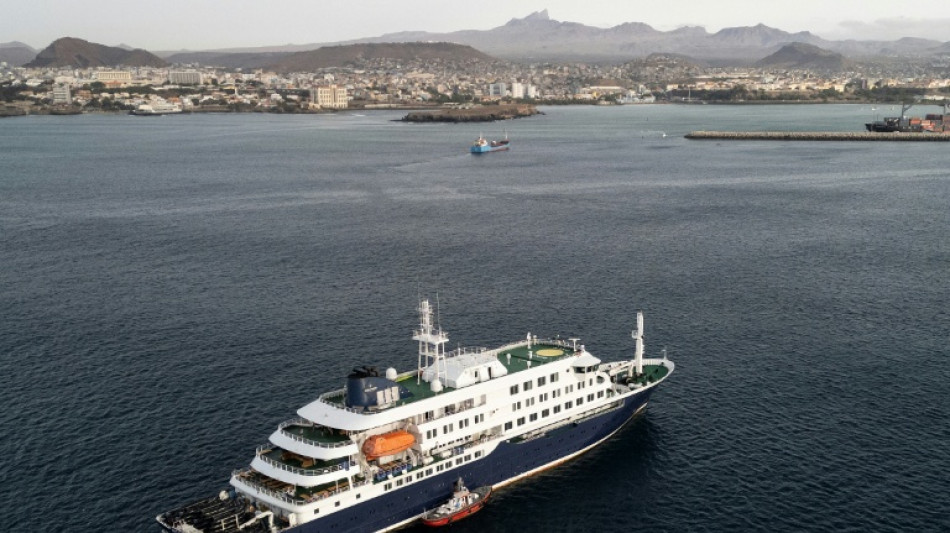
The Dutch-flagged vessel, which has around 150 people on board, is expected to arrive in the Spanish Canary Island of Tenerife on Sunday. Special flights will take passengers to their home countries.
"This is a dangerous virus, but only to the person who's really infected, and the risk to the general population remains absolutely low," WHO spokesman Christian Lindmeier told reporters.
He said a picture was emerging from MV Hondius where "even those who have been sharing cabins don't seem to be both infected in some cases", when one has fallen sick.
"That shows you again, luckily, apparently, the virus is not that contagious that it easily jumps from person to person," he said.
The WHO has said there were five confirmed and three suspected cases of the virus. There are no suspected cases on the ship. An update was expected later Friday.
- KLM flight attendant negative -
Cruise operator Oceanwide Expeditions said 30 passengers, including the first fatality, disembarked at the remote British island of Saint Helena on April 24.
A flight left there for Johannesburg the next day, setting off a chain of contact tracing not only on that connection but on onward travel to the rest of the world.
A flight attendant on the Dutch flag carrier KLM who came into contact with an infected passenger from the cruise ship and later showed mild symptoms, tested negative for hantavirus, the WHO said Friday.
The passenger -- the wife of the first person to die in the outbreak -- had briefly been on a plane bound from Johannesburg to the Netherlands on April 25, but was removed before take-off.
She later died in a Johannesburg hospital.
Lindmeier said the flight attendant testing negative was "good news", as it showed that someone could come into contact with an infected person and still not catch the virus.
"It's not spreading anything close to how Covid was spreading."
US President Donald Trump said Thursday he had been briefed on the alert, telling reporters: "It's very much, we hope, under control."
- Passengers relieved, reassured: YouTuber -
The MV Hondius, which has also been used for polar expeditions, left Ushuaia on the southern tip of Argentina on April 1 for a cruise across the Atlantic Ocean to Cape Verde.
Three suspected cases, including two crew who later tested positive, were evacuated from Cape Verde to the Netherlands.
YouTuber Kasem Ibn Hattuta, who is travelling on the Hondius, said passengers were reassured that doctors had joined the ship before sailing for Tenerife.
"We finally left Cape Verde which was a relief for everyone on board, specially knowing that our sick colleagues are finally getting the medical care they need," he said in a statement.
"Everyone is keeping high spirit, people are smiling and taking the situation calmly," he said, adding that people were wearing masks indoors and keeping their distance from others.
- Repatriation plans -
The MV Hondius has cleared the Mauritanian coast as it heads for the Canary Islands.
The Spanish government said the first passengers will be repatriated on Sunday, after its arrival.
Spanish authorities have said the ship will anchor off Tenerife and will not be allowed to dock. Passengers will be transferred to the airport on a smaller vessel.
Britain has chartered a repatriation flight from Tenerife for UK passengers and crew.
"Established infection control measures will be put in place at every step of the journey to ensure the safe repatriation of British passengers on board," said UK Health Security Agency (UKHSA) chief scientific officer Robin May.
The ship called at several remote British islands in the South Atlantic along the way, including Saint Helena.
The UKHSA said Friday there was a suspected case on Tristan da Cunha, one of the world's most isolated settlements with around 250 people.
L.Leroux--JdCdC